
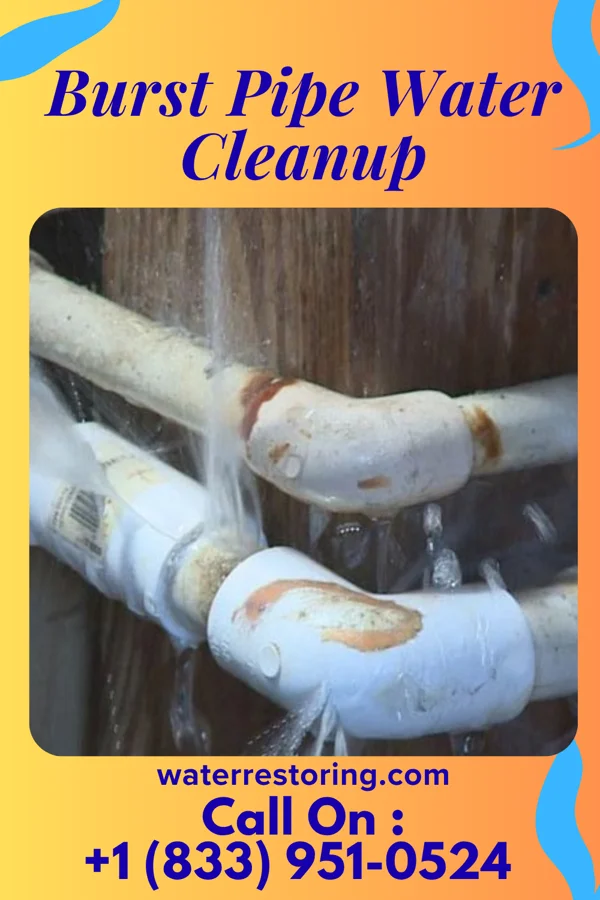
Why Burst Pipes Hit Golva Hard
The pattern in Golva is consistent. Golva, located in Golden Valley County, experiences significant pipe burst risks due to its rural setting and the presence of older infrastructure. The area's proximity to the Missouri River and the surrounding agricultural land means that soil movement and frost heaving can put pressure on underground pipes, increasing the likelihood of bursts during freeze-thaw cycles. drives most of the emergency restoration calls we get. A close second is The region's cold climate, with frequent temperature fluctuations, contributes to pipe stress and potential bursts. Additionally, the presence of nearby towns like Sentinel Butte and Wibaux, MT, means that water supply lines can be affected by regional weather patterns and seasonal changes..
Golva's climate, characterized by harsh winters and unpredictable spring thaws, poses a significant risk for burst pipes. The area's rural nature and reliance on older plumbing systems make it particularly vulnerable to water damage during these seasonal transitions.
Golva's climate, characterized by harsh winters and unpredictable spring thaws, poses a significant risk for burst pipes. The area's rural nature and reliance on older plumbing systems make it particularly vulnerable to water damage during these seasonal transitions. The dominant local driver is Golva, located in Golden Valley County, experiences significant pipe burst risks due to its rural setting and the presence of older infrastructure. The area's proximity to the Missouri River and the surrounding agricultural land means that soil movement and frost heaving can put pressure on underground pipes, increasing the likelihood of bursts during freeze-thaw cycles., with The region's cold climate, with frequent temperature fluctuations, contributes to pipe stress and potential bursts. Additionally, the presence of nearby towns like Sentinel Butte and Wibaux, MT, means that water supply lines can be affected by regional weather patterns and seasonal changes. showing up as the next most common cause. Damage builds in stages. Spread. Absorption. Microbial growth. Structural compromise. Every stage you pass through adds to the final bill.